
How Can Businesses Minimise Personal Data Collection in Digital Services?
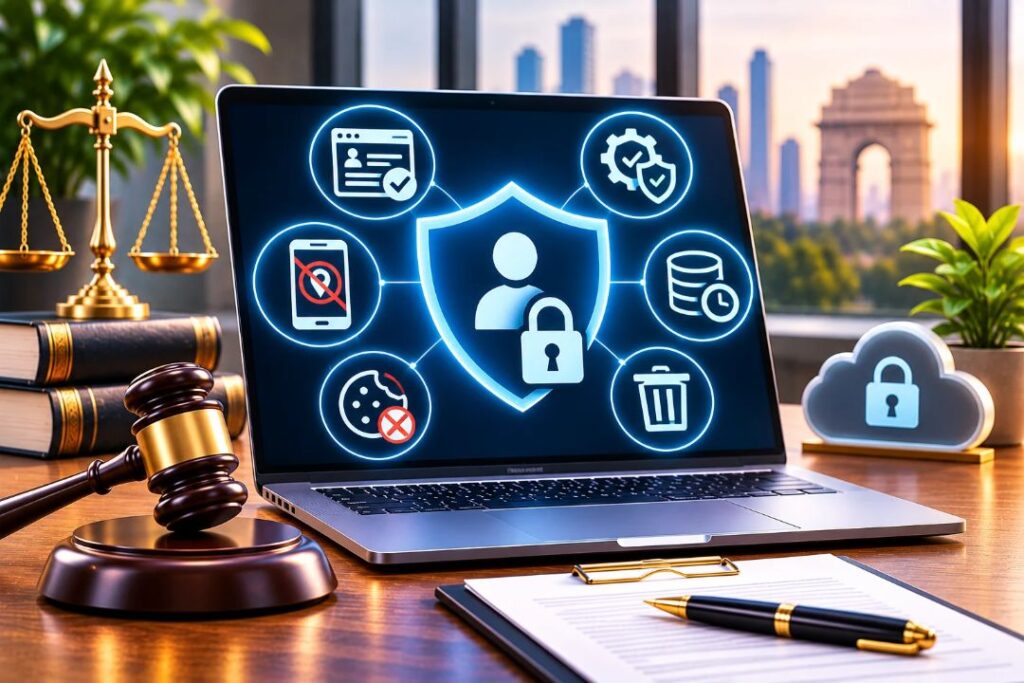
Digital businesses collect personal information through websites, mobile applications, customer registrations, online payments and marketing platforms. However, collecting excessive information can create privacy risks, increase cybersecurity exposure and complicate regulatory compliance. Data minimisation India is therefore an important consideration for organisations developing and operating digital services. The Digital Personal Data Protection Act, 2023 (DPDP Act) […]
What Should Businesses Know About Children’s Personal Data in India?
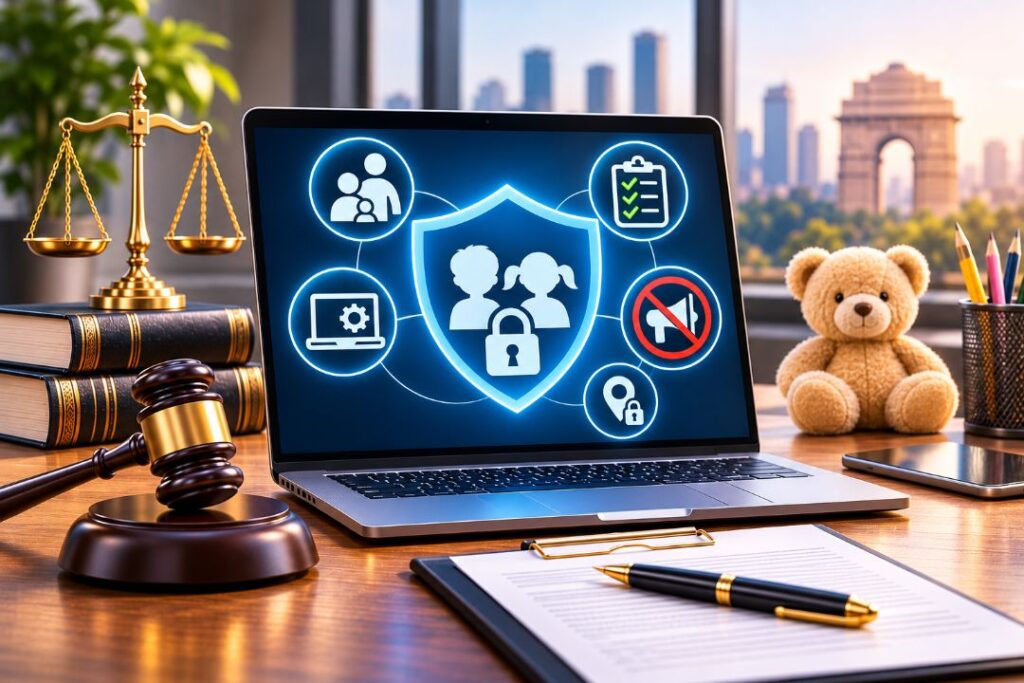
Children increasingly use digital platforms for education, entertainment, gaming, shopping and communication. These activities generate personal information, including names, photographs, location details, device identifiers, academic records and online behaviour. Protecting this information is an important legal responsibility for businesses. Children’s data protection India has therefore become a significant compliance concern for organisations offering digital services […]
How Long Can Businesses Retain Personal Data Under Indian Law?
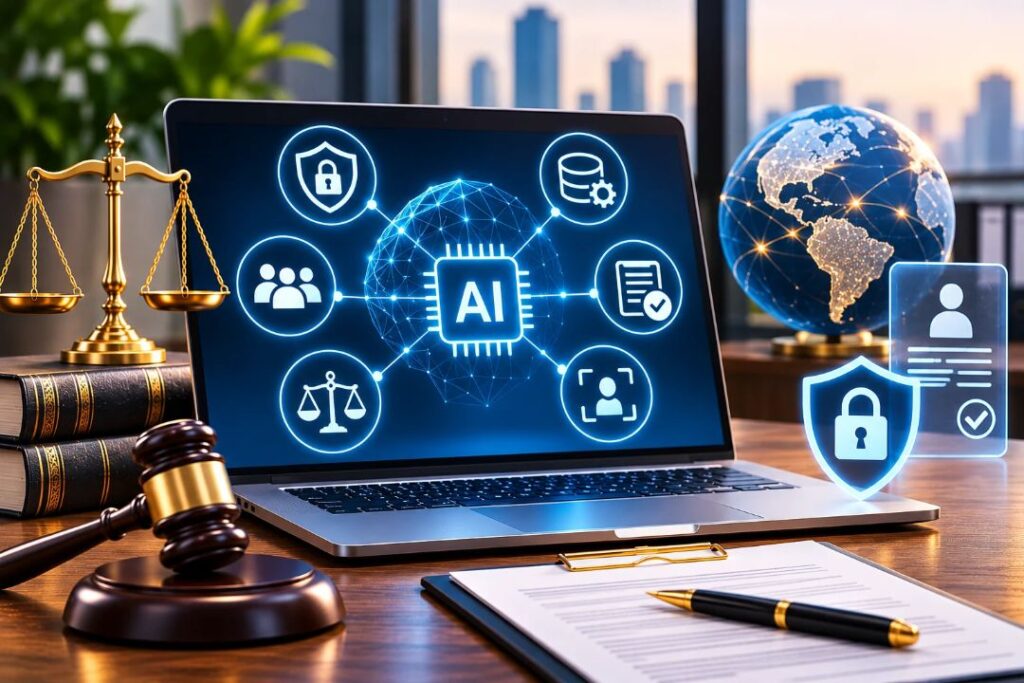
Businesses collect personal information through customer registrations, employee records, financial transactions, digital platforms and commercial agreements. However, retaining personal information indefinitely can create privacy, cybersecurity and regulatory risks. Understanding personal data retention India requirements is therefore essential for organisations handling customer, employee and other personal information. India’s Digital Personal Data Protection Act, 2023 (DPDP Act) […]
What Data Protection Issues Should Businesses Consider When Using Artificial Intelligence?

Artificial intelligence is transforming how businesses collect information, analyse customer behaviour, automate decisions and deliver services. However, these developments also create significant privacy and regulatory challenges. AI data protection India is becoming an important compliance consideration as organisations increasingly use AI powered applications, machine learning systems, automated recruitment tools and generative AI platforms. Businesses must […]
How Should Businesses Handle Employee Personal Data Under Indian Data Protection Laws?

Businesses collect substantial amounts of personal information throughout the employment lifecycle, from recruitment and onboarding to payroll, performance assessments and employee exit procedures. Managing this information responsibly is essential for legal compliance and maintaining employee trust. Employee data protection India is becoming an increasingly important consideration as organisations adopt digital HR platforms, biometric attendance systems, […]
How Should Businesses Respond to Personal Data Access Requests?
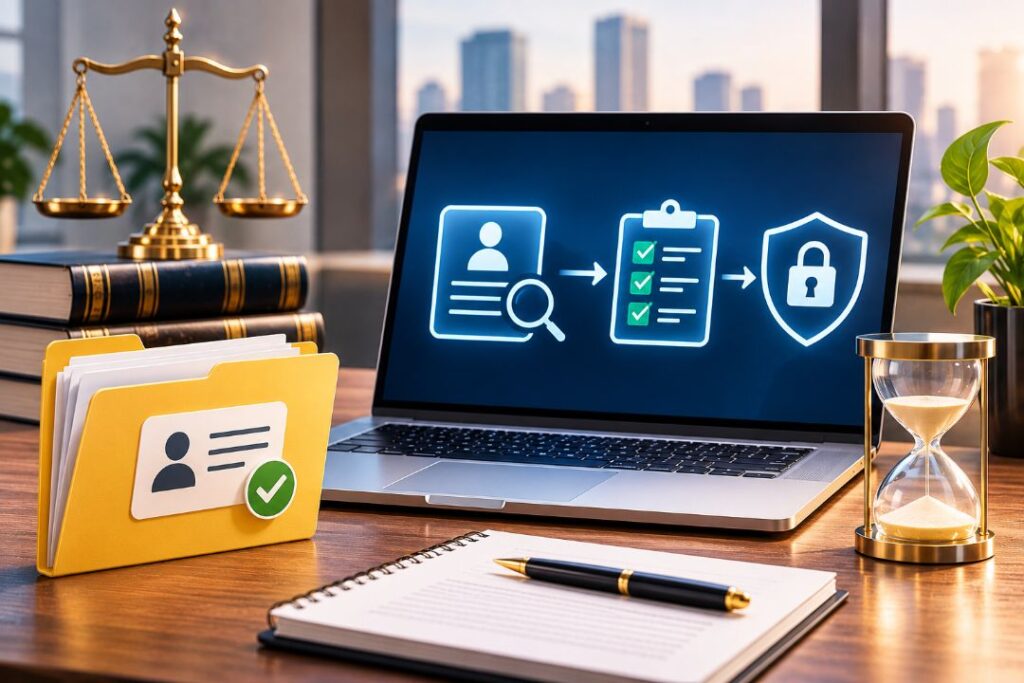
Businesses collect and process personal information through customer registrations, online purchases, employment records and digital services. Individuals increasingly want to understand what information organisations hold about them and how it is being used. A personal data access request allows an individual to seek information about the processing of their personal data and the organisations involved […]
What Data Protection Clauses Should Be Included in Technology Contracts?

Technology contracts frequently involve the exchange of customer information, employee records, financial details and other personal data. Whether a business engages a cloud service provider, software developer, IT consultant or digital marketing agency, its contractual arrangements must address how personal information is collected, accessed, processed and protected. Including appropriate data protection clauses in technology contracts […]
What Should Foreign Companies Know About India’s Data Protection Requirements?
Expanding into the Indian market creates significant opportunities for international businesses. However, companies collecting customer information, employing Indian residents or providing digital services in India must understand their privacy obligations. Foreign company data protection is an increasingly important compliance consideration, particularly as India introduces its new digital privacy framework. An overseas business may fall within […]
What Should a Business Do After a Personal Data Breach in India?
A personal data breach can create serious legal, financial and reputational consequences for a business. Personal information may be exposed through cyber attacks, stolen credentials, accidental disclosure, insider activity or weaknesses in digital systems. Once an organisation discovers a breach, it must act quickly to contain the incident, understand its impact and determine its legal […]
What Should a Data Processing Agreement Include in India?
A data processing agreement is an important contract for businesses working with service providers that process personal data on their behalf. It defines the responsibilities of the Data Fiduciary and Data Processor and establishes how personal data must be handled during the relationship. In India, the Digital Personal Data Protection Act, 2023 requires a Data […]