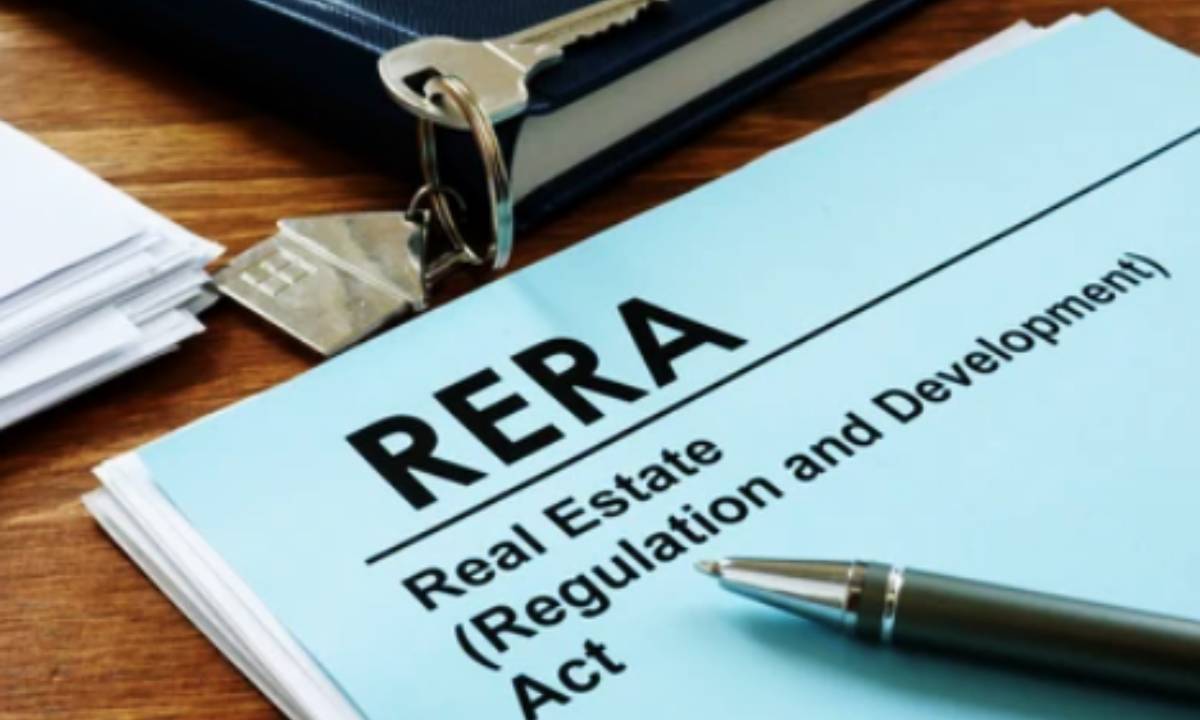

Buying property in Mumbai involves careful planning and legal awareness. The city has one of the most active real estate markets in India. However, complex land records, redevelopment projects, and ownership disputes can create serious risks for buyers. Property due diligence plays a crucial role in protecting buyers from legal complications and financial loss.
Property due diligence refers to the process of examining all legal, financial, and regulatory aspects of a property before completing the purchase. It helps confirm the seller has legal ownership, the property is free from disputes, and all required approvals are in place. Without proper due diligence, buyers may face issues related to title defects, unauthorised construction, or hidden liabilities.
This article provides a comprehensive checklist for property due diligence in Mumbai. It explains the documents and records buyers should review before finalising any property transaction.
Why Property Due Diligence Is Important for Buyers
Real estate transactions involve high financial stakes. Buyers usually invest a large portion of their savings or take housing loans for property purchases. If legal verification is ignored, the consequences can be severe. Property due diligence allows buyers to confirm the authenticity of ownership documents. It also helps identify mortgages, disputes, or regulatory violations connected to the property.
Mumbai has many redevelopment projects and cooperative housing societies. In such cases, multiple agreements and approvals exist. Buyers must examine these documents carefully before signing a sale agreement. A thorough due diligence process ensures the property has a clear and marketable title. It also increases confidence for banks and financial institutions when approving home loans.
Property Due Diligence Checklist for Mumbai Buyers
Property due diligence involves a structured review of ownership records, municipal approvals, and financial liabilities. A systematic checklist helps buyers ensure no important aspect remains overlooked. The process usually includes examination of title documents, encumbrance records, tax payments, development permissions, and society documentation. Buyers should also confirm whether the property complies with local planning regulations. Each step in the checklist serves a specific purpose. Together they provide a clear picture of the property’s legal and financial status.
Verifying the Ownership Title
The first and most important step in due diligence involves verifying the ownership title of the property. Title verification confirms the seller has lawful rights to transfer the property. Buyers must examine the chain of ownership for at least the previous thirty years. This review ensures there are no gaps or disputes in the ownership history.
Each ownership transfer must be supported by registered documents such as sale deeds, gift deeds, or inheritance records. If any document appears missing or incomplete, further investigation becomes necessary. A clear ownership chain provides strong evidence the property can legally be sold.
Checking the Sale Deed and Agreement Records
The sale deed represents the primary document confirming ownership. Buyers must carefully review the latest sale deed to confirm details such as property description, ownership rights, and registration details. The information in the deed should match records maintained by the Sub Registrar Office. Differences between documents and official records may indicate potential errors or legal complications.
Buyers should also review earlier agreements related to the property. In redevelopment projects, agreements between landowners and developers may affect ownership rights. Verification of these documents helps ensure the seller has the legal authority to complete the sale.
Examining the Encumbrance Certificate
The Encumbrance Certificate provides information about financial liabilities attached to the property. This document confirms whether the property has been used as security for loans or whether any legal claims exist.
Buyers can obtain this certificate from the Sub Registrar Office for a specified period. Ideally the certificate should cover the entire ownership history examined during title verification. If the property is mortgaged, the seller must clear the loan before transferring ownership. Failure to verify encumbrances may result in buyers inheriting existing liabilities.
Reviewing Municipal Approvals and Building Permissions
Municipal approvals play an important role in property due diligence. Every building in Mumbai must follow planning regulations issued by local authorities. Buyers should confirm the building has valid construction approvals and completion certificates. These documents show the project was constructed according to approved plans.
The occupancy certificate is another essential document. It confirms the building is safe for occupation and meets municipal standards. If these approvals are missing, the building may face regulatory penalties or restrictions in future.
Verifying Property Tax Payments
Property tax records provide useful information about ownership and financial compliance. Buyers should verify whether all property taxes have been paid up to date. Outstanding tax liabilities may create complications during property transfer. Municipal authorities may refuse to update ownership records if taxes remain unpaid. Buyers should also check whether the seller’s name appears in municipal tax records. Any difference between ownership documents and tax records requires clarification before purchase.
Checking Housing Society Documentation
Many properties in Mumbai belong to cooperative housing societies. In such cases society records form an important part of the due diligence process. Buyers must verify the share certificate issued by the society. This certificate confirms membership and ownership rights within the society structure.
Society approval is also required for transfer of ownership. Buyers should confirm the seller has obtained a no objection certificate from the society. Society records may also reveal whether the property faces maintenance disputes or unpaid dues.
Reviewing Development Agreements in Redevelopment Projects
Redevelopment projects are common in older areas of Mumbai. In such cases buyers must examine agreements between the developer and the original landowners. These agreements confirm the developer has authority to construct and sell units in the project. Buyers should also review approvals from municipal authorities for redevelopment.
If the redevelopment process is incomplete or disputed, future ownership rights may be affected. Careful examination of redevelopment documents helps buyers avoid legal uncertainties.
Importance of Professional Legal Assistance
Property transactions often involve complex documentation and regulatory requirements. Professional legal review ensures no important detail is overlooked. Legal experts examine ownership records, municipal approvals, and financial liabilities connected to the property. Their analysis helps identify potential risks before the transaction is finalised.
Many buyers consult an advocate for property matters in mumbai to conduct detailed due diligence and ensure the transaction complies with applicable laws. Professional guidance becomes particularly important when purchasing property in redevelopment projects or high value transactions.
Conducting a Title Search Report
A title search report summarises the legal status of the property after examining historical ownership records. This report confirms whether the property has a clear title and identifies any legal issues affecting ownership rights. Banks often require a title search report before approving home loans.
The report also provides assurance to buyers regarding the authenticity of documents presented by the seller. Many buyers obtain such reports through professional legal services provided by Legal Due Diligence Law Firm and Lawyers in India, especially when dealing with complex property transactions.
Common Risks Identified During Due Diligence
Property due diligence often reveals issues buyers may not initially notice. Ownership disputes remain one of the most common risks. Inherited properties sometimes involve claims from multiple family members. If these claims remain unresolved, future litigation may arise.
Outstanding loans also create complications. If a property is mortgaged, the lender may retain legal rights over the property until the loan is fully repaid. Another common issue involves unauthorised construction. Buildings constructed without proper approvals may face regulatory action from municipal authorities.
Identifying these risks early helps buyers avoid costly disputes after purchase.
Practical Tips for Safe Property Purchase
Buyers should begin the due diligence process before paying any large advance amount. Reviewing ownership documents and municipal approvals early in the transaction helps prevent later complications. It is also advisable to verify project registration under the Real Estate Regulation and Development Act when purchasing new properties.
Maintaining copies of all documents and payment receipts helps protect the buyer’s legal rights during the transaction. Proper planning and documentation significantly reduce risks associated with property purchases.
Conclusion
Mumbai offers many opportunities for property investment. However, the complexity of land records and redevelopment projects makes legal verification essential. Property due diligence protects buyers from ownership disputes, financial liabilities, and regulatory issues. A structured due diligence checklist covering ownership title, encumbrances, municipal approvals, and society records helps ensure the property has a clear legal status. Buyers who follow this process carefully can invest with confidence and avoid future legal complications. Seeking professional legal guidance and conducting thorough verification before completing the purchase remains the safest approach for any property transaction in Mumbai.
Frequently Asked Questions(FAQs)
What is property due diligence in real estate transactions?
Property due diligence is the process of examining ownership documents, financial liabilities, and regulatory approvals before purchasing property.
Why is property due diligence important in Mumbai?
Mumbai has complex property records and redevelopment projects. Due diligence helps confirm clear ownership and prevents legal disputes.
How many years of title records should be checked during due diligence?
Legal experts generally review at least thirty years of ownership history to ensure the property has a clear title.
What documents are required for property due diligence?
Common documents include sale deeds, encumbrance certificate, property tax receipts, building approvals, occupancy certificate, and society share certificates.
Can banks require property due diligence before approving a home loan?
Yes. Banks typically require legal verification and a title search report before granting housing loans.
Who performs property due diligence in real estate transactions?
Property lawyers and legal experts usually conduct due diligence by reviewing ownership records and regulatory approvals.
What happens if due diligence reveals legal problems in the property?
If issues appear during verification, buyers may negotiate with the seller to resolve them or choose not to proceed with the transaction.